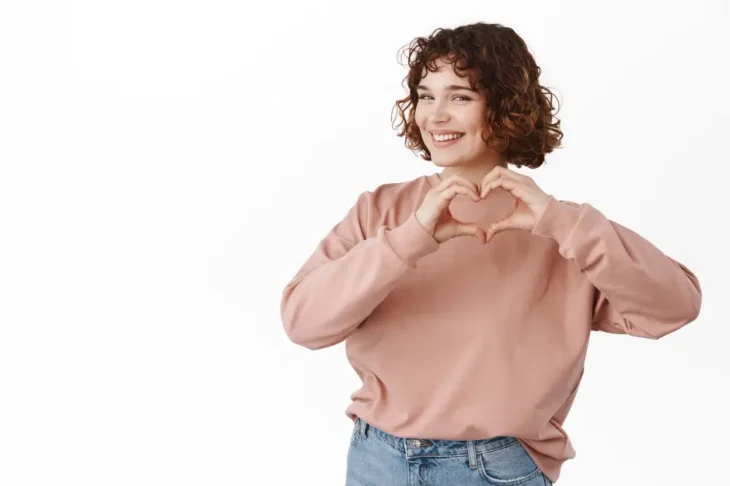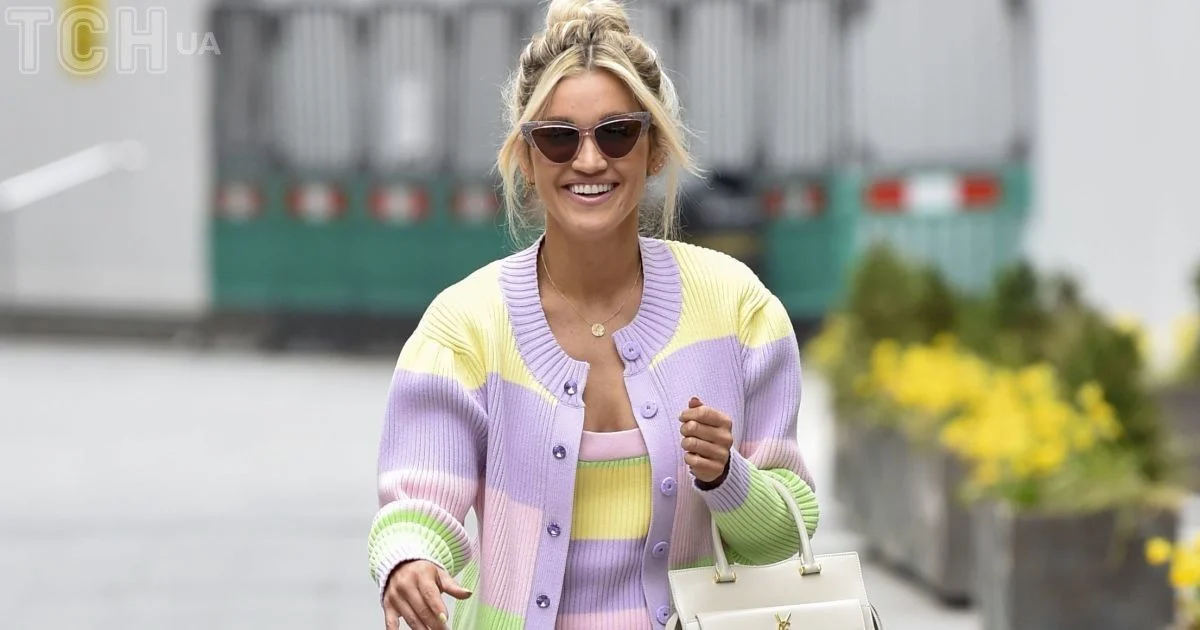
What to wear on a first date to feel comfortable
Choosing what to wear on a first date often creates unnecessary pressure because people try to “optimize” their appearance instead of focusing on feeling comfortable and natural. In reality, clothing works best when it supports confidence rather than competes for attention. The most reliable approach is to wear something that already feels like “you.” Outfits that match your everyday style tend to look more authentic, and authenticity is usually perceived as more attractive than overly styled or forced combinations. When you feel comfortable in your clothes, your posture, gestures, and tone of voice become more relaxed, which has a stronger impact than any fashion detail.
Psychologically, clothing influences behavior. If you are uncomfortable or overly formal in the wrong setting, it can create subtle tension that affects how freely you communicate. On the other hand, simple and well-fitting clothes help you stay present in the conversation instead of worrying about appearance. Context still matters, but only as a guide—not a rulebook. A casual walk or coffee date calls for relaxed everyday wear, while a more formal setting may require something slightly more refined. Even then, the goal is balance, not performance.
The key idea is to avoid treating clothing as a tool for impression management. First dates are not fashion competitions—they are about connection and compatibility. The conclusion is clear: what you wear matters less than how comfortable and confident you feel in it. Authentic style, aligned with personality and situation, creates a stronger impression than any overthought outfit choice.
Comfortable First Date Outfit and Emotional Ease
A comfortable first date outfit is closely connected to emotional stability and the overall quality of interaction. Clothing is not just a visual element—it directly influences how relaxed, present, and confident a person feels during communication. When something feels restrictive or unnatural, attention often shifts inward, toward discomfort, instead of staying on the conversation and the other person. From a psychological perspective, comfort in clothing supports emotional balance. When the body is not distracted by tight fabrics, awkward fits, or impractical shoes, the mind can stay calmer and more engaged. This creates a smoother emotional state where reactions feel more natural and less controlled. In contrast, physical discomfort can quietly increase irritability and reduce spontaneity.
Comfort also plays a role in authenticity. When a person chooses clothes based on personal comfort rather than external expectations, it sends a subtle signal of self-acceptance. This helps reduce performance-based behavior and encourages more genuine interaction. The focus shifts from “how I look” to “how I feel in this moment,” which is more important for real connection.
Another important factor is alignment between personality and outfit. Clothing that reflects personal style tends to reduce self-consciousness, allowing communication to flow more naturally. Emotional ease is strongest when appearance does not feel like a role but like an extension of everyday identity. The conclusion is clear: comfort in clothing supports comfort in communication. When physical ease is present, emotional openness becomes easier, and the interaction develops in a more natural and relaxed way.
Dating Outfit Tips That Instantly Boost Natural Confidence
The way you dress on a first date can quietly shape your confidence long before the conversation even begins. The most effective approach is not about expensive brands or complicated styling, but about creating a look that feels like you. When your outfit matches your personality, confidence stops being forced—it becomes natural. Instead of trying to impress, focus on building visual clarity. Simple combinations often work better than overloaded outfits because they don’t distract you or the other person. Clean lines, balanced colors, and minimal effort styling usually communicate more confidence than anything overly designed.
Another key factor is presentation. Small details like clean shoes, well-fitted clothes, and overall neatness create a strong impression of self-respect. People rarely notice complexity, but they always notice care. Comfort is equally important. If you feel physically at ease, you automatically become more relaxed in conversation. That emotional ease translates into better eye contact, smoother communication, and more natural body language. Your outfit should also match the situation. A café, a walk, or a dinner all require slightly different tones, but the goal remains the same—fit the context without losing authenticity.
Finally, a single subtle detail can elevate your look without overpowering it. It could be a color accent, a watch, or a small accessory that reflects personality without trying too hard. The real secret is simple: confidence doesn’t come from fashion trends, but from alignment between who you are and what you wear. When your outfit feels natural, your presence becomes more attractive—and the date feels effortless instead of staged.
First Date Clothing Advice for Different Settings
Choosing what to wear on a first date depends primarily on context, and this factor often matters more than style preferences alone. The format of the meeting determines how formal or relaxed the outfit should be, ensuring that appearance fits the situation instead of creating discomfort. A casual coffee or walk calls for simple, comfortable clothing that allows easy movement and natural interaction. In contrast, a restaurant dinner or evening setting usually requires a more structured and polished look that matches the atmosphere. The goal is alignment between environment and appearance, not overcomplication.
Ignoring context often leads to imbalance. Overdressing for a relaxed setting can create stiffness, while too casual an outfit in a formal place may look careless. Both situations shift attention away from the interaction itself and create unnecessary self-consciousness. Proper adaptation prevents this and supports a smoother experience. Practicality also plays a key role. The duration and activity level of the date should influence clothing choices—comfort-oriented materials and footwear work better for longer or active meetings, while more refined pieces suit shorter or formal encounters. This ensures that clothing supports behavior rather than restricts it.
The most effective approach is balance: matching the setting while staying true to personal style. When outfit and environment are aligned, attention naturally stays on communication instead of appearance adjustments. This principle is often emphasized in communities such as the russian speaking women dating club, where contextual awareness is considered an important part of creating respectful and meaningful first impressions.
Also worth reading: Why a man chooses one woman over another
Dressing for Confidence Rather Than Approval
Dressing for confidence means using clothing as a tool to reinforce inner stability instead of seeking validation from others. When outfits are chosen to meet external expectations, the result often feels artificial and uncomfortable. When they reflect personal comfort and identity, confidence becomes natural and visible without effort. Key principles of dressing for confidence include:
- Prioritizing personal comfort — clothing should feel natural on the body, allowing ease of movement and reducing self-consciousness during interaction.
- Reflecting individual style — outfits that match personality create coherence between inner identity and outward appearance.
- Supporting non-verbal confidence — posture, gestures, and eye contact improve when a person feels physically at ease in what they wear.
- Avoiding approval-driven choices — dressing to impress others often leads to overthinking and reduces authenticity.
- Ensuring functional fit — well-fitted clothing enhances comfort and prevents constant adjustment or distraction.
Psychologically, confidence is communicated long before words are spoken. The way a person carries themselves is directly influenced by how secure they feel in their appearance. Comfortable and balanced outfits encourage openness, while restrictive or overly styled clothing can increase tension and self-awareness.
The core idea is that clothing should support the person, not the perception of others. When style aligns with identity rather than external expectations, presence becomes calm, natural, and steady. The conclusion is clear: true confidence comes from alignment, not approval. When clothing reflects self-respect and authenticity, it strengthens both emotional stability and social presence, allowing interactions to unfold naturally without performance or pressure.
First Date Fashion as Self-Expression
Clothing on a first date functions as a non-verbal form of communication, revealing personality traits and inner values before any conversation begins. What a person wears often creates the first impression, shaping how they are perceived in terms of confidence, mood, and character.
Self-expression through fashion is most effective when it reflects authenticity rather than imitation. Outfits that align with personal identity naturally create coherence between inner state and external appearance. A minimalistic style with neutral tones may communicate calmness and structure, while brighter or more expressive choices can signal openness and energy. Neither approach is superior—what matters is consistency with personality. Key aspects of first date fashion as self-expression include:
- Authenticity over imitation — clothing should reflect real preferences, not trends adopted for approval.
- Clarity of identity — style choices can communicate personality traits such as simplicity, boldness, or creativity.
- Emotional comfort — feeling at ease in clothing reduces self-awareness and supports natural interaction.
- Visual consistency — harmony between outfit and behavior strengthens credibility and trust.
- Subtle storytelling — details in clothing can express values without needing verbal explanation.
When fashion aligns with identity, it reduces internal tension and allows focus to remain on communication. Instead of distracting from interaction, clothing becomes part of a natural presence. The conclusion is clear: first date fashion is a form of self-expression, not performance. When style reflects genuine personality, it enhances confidence, supports emotional ease, and helps create a more authentic and memorable connection.
Dating Style Explained Through First Impressions
First impressions in dating are formed within seconds, and clothing is one of the strongest factors shaping that initial perception. Dating style is not just about aesthetics—it communicates attitude, personality, and emotional readiness before any conversation starts. Style works as a non-verbal introduction. A well-balanced outfit signals self-respect and attentiveness, while chaotic or overly staged clothing can create uncertainty. When appearance feels natural and coherent, it supports a perception of stability and authenticity, which makes interaction easier and more relaxed. Key elements that influence first impressions through style include:
- Clarity of presentation — clean, well-matched clothing communicates organization and self-awareness.
- Authenticity of choice — outfits aligned with personality feel more trustworthy than forced fashion statements.
- Context alignment — matching clothing to the setting prevents discomfort and social imbalance.
- Emotional tone of appearance — relaxed style suggests openness, while overly rigid looks may create distance.
- Subtle confidence signals — simple, well-fitted outfits often project more confidence than excessive styling.
Clothing also sets unconscious expectations. A casual look in an informal setting signals ease and approachability, while a more refined outfit in a formal environment shows adaptability and awareness. When style fits the context, attention stays on the interaction instead of visual inconsistencies. The conclusion is clear: dating style shapes first impressions through clarity, authenticity, and context awareness. When clothing reflects personality rather than performance, it creates a natural foundation for trust and smoother emotional connection from the very beginning.
Finding someone who shares your excitement for exploring mountain trails, discovering cozy cafes, and talking through global events makes everyday life so much richer. You can expand your romantic horizons and start chatting with compatible partners by exploring top-ranked platforms for finding genuine European romance right now.